
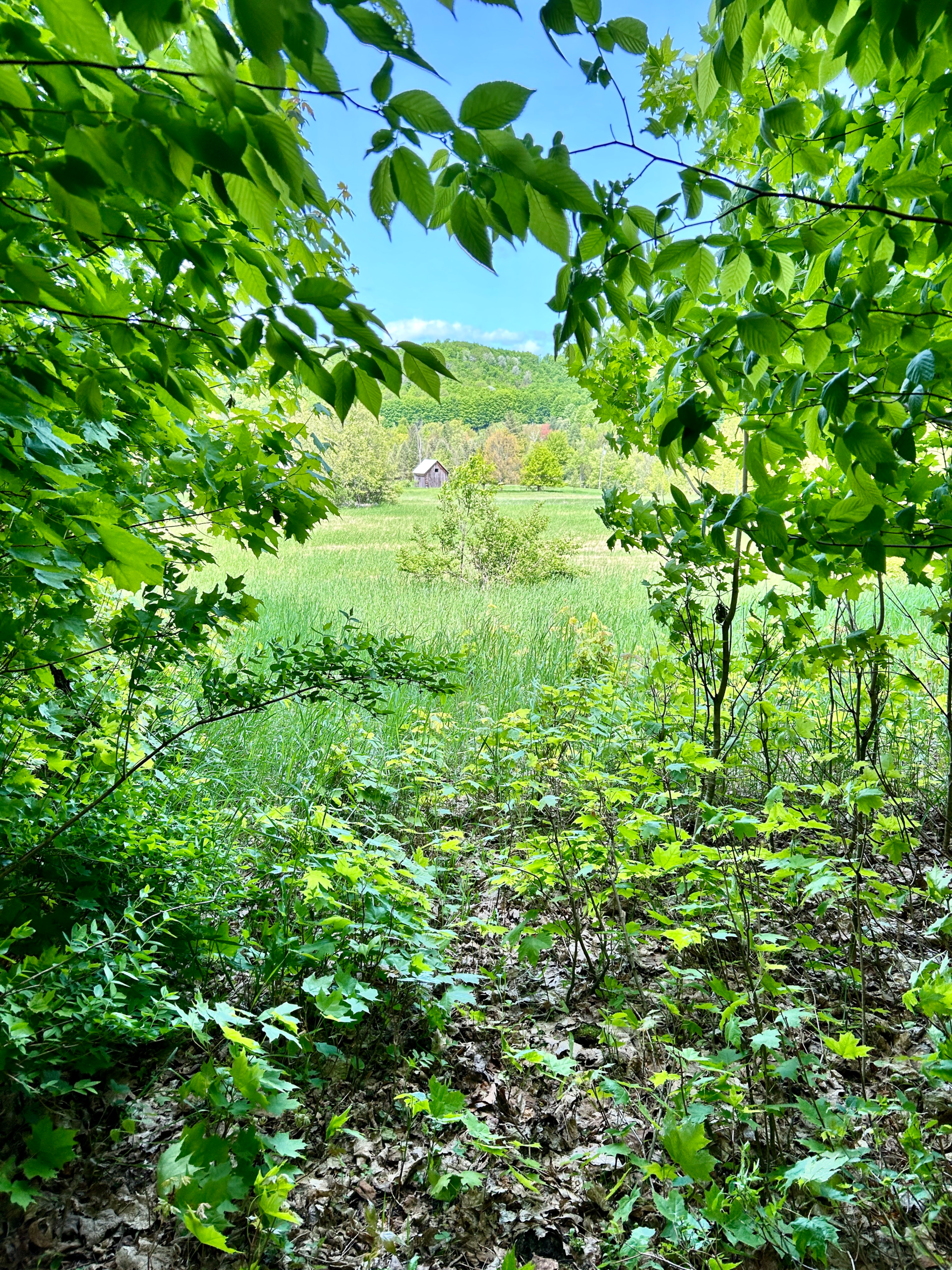
After a long Michigan winter, the first warm days of spring feel like a small miracle. The snow melts, birds begin returning, and the woods slowly start waking up again.
One of my favorite ways to welcome the season is by going for slow walks and looking for the first wild foods and herbs that appear after winter. When you start paying attention, it’s amazing how much nourishment grows quietly all around us.
Foraging turns an ordinary walk into a treasure hunt, especially with children. We wander along forest trails, field edges, and sometimes even our own backyard looking for the first greens of the season. Every year the same plants return, reminding me that nature provides far more than we often realize.
Here are a few of the wild foods and herbs you may find when spring foraging in Michigan.
Morel Mushrooms
Morel mushrooms are probably the most famous spring forage in Michigan. Many people head to the woods every year hoping to find them.
Morels usually appear from late April through May when the soil begins to warm. They are often found near old elm trees, ash trees, and sometimes around old apple orchards.
Besides being delicious, morels are surprisingly nutritious. They contain protein, fiber, and minerals such as iron, copper, and potassium.
In our home we like to sauté them in butter with a little salt, or add them to soups, egg dishes, and spring quiches.
Wild Leeks (Ramps)
Wild leeks, also called ramps, are one of the first green plants to appear on the forest floor. They grow in patches and have broad leaves with a strong onion-garlic scent.
Both the leaves and bulbs are edible, though it’s best to harvest gently and leave plenty so the patch can continue growing.
Ramps are rich in vitamins A and C and contain beneficial sulfur compounds similar to garlic, which are known to support immune health.
They are wonderful in scrambled eggs, soups, quiche, or simply sautéed with mushrooms.
Wild Asparagus
Wild asparagus often grows along fence lines, field edges, and quiet country roads. Once you start spotting it, you may be surprised by how often it appears.
The spears are usually thinner than garden asparagus but incredibly tender and flavorful.
Asparagus is rich in folate, vitamin K, and antioxidants. It has also long been known as a gentle plant for supporting digestion.
We love roasting wild asparagus with olive oil and salt, or adding it to soups and spring vegetable dishes.
Stinging Nettles
Nettles might look intimidating at first, but they are one of the most nutritious plants that appear in early spring.
Once cooked or dried, the sting disappears completely.
Nettles are packed with minerals including iron, calcium, magnesium, and potassium. Many people enjoy them as a nourishing spring tonic after the long winter months.
They are delicious in soups, herbal teas, or cooked like spinach.
Wood Sorrel
Wood sorrel is a delicate little plant often found in shady areas of the forest. It has clover-shaped leaves and a bright, lemony flavor.
Children especially love tasting it during a walk because of its refreshing citrus-like taste.
Wood sorrel contains vitamin C and has traditionally been used as a refreshing spring herb.
It can be sprinkled on salads, added to drinks, or simply enjoyed fresh while exploring the woods.
Yarrow
Yarrow is a hardy herb that grows in fields and along sunny paths. It has soft feathery leaves and clusters of small white flowers.
For centuries, yarrow has been valued as a medicinal herb and was often used to support wound healing and digestion.
While it is most commonly used in herbal teas and remedies, the young leaves can also be used sparingly in herbal blends.
Wild Daisies
Wild daisies brighten fields and grassy areas as spring moves toward early summer.
The young leaves are edible and the flowers are sometimes used in gentle herbal teas.
Daisies contain mild bitter compounds that support digestion and have traditionally been used for their calming and anti-inflammatory qualities.
Wild Violets
Wild violets are one of the sweetest signs of spring. Their small purple flowers often appear in yards, forest edges, and shady areas.
Both the flowers and leaves are edible. The leaves are surprisingly nutritious and contain vitamins A and C along with helpful minerals.
The flowers have a very mild, delicate flavor and make beautiful additions to food and drinks.
One simple and lovely way to use them is by adding the blossoms to homemade lemonade. The violets float on top and turn an ordinary drink into something that feels special and almost magical, especially for children.
They can also be sprinkled on salads, frozen into ice cubes, or used to decorate desserts.
A Few Simple Foraging Tips
If you are new to spring foraging in Michigan, it’s best to start slowly and learn just a few plants at a time.
Always be completely certain of plant identification before eating anything from the wild.
Harvest gently and leave plenty behind so the plants can continue growing and wildlife can enjoy them too.
Avoid gathering plants near busy roads or areas that may have been sprayed with chemicals.
And if you can, bring a basket or mesh bag so seeds can fall back to the earth as you walk.
A Beautiful Way to Slow Down
Foraging isn’t just about gathering food. It’s about slowing down and noticing the land around you.
Instead of rushing through the woods, you start seeing tiny leaves pushing through the soil, mushrooms hiding in moss, and patches of greens that most people walk right past.
For our family, it turns a simple walk into something memorable. The children get excited when they find the first mushrooms or a patch of nettles, and meals feel a little more meaningful when we gathered part of them ourselves.
Spring in Michigan is short, but the woods are full of gifts if you take the time to look.
Disclaimer
Foraging can be a wonderful way to connect with nature, but it’s important to be cautious. Always be completely certain of plant identification before consuming anything from the wild, as some edible plants have look-alikes that can be harmful.
The information in this article is shared for educational purposes and personal experience. Please consult reliable field guides or experienced foragers when learning about wild plants.