
Many of us have walked through seasons of financial strain, but that doesn’t mean homeschooling isn’t possible. For years, I homeschooled my children on a very tight budget sometimes budgeting right down to the dollar. Even now, I don’t have unlimited funds to pour into homeschooling. Still, I want to share how we made it work during those lean years, what helped the most, and what I might have done differently if I knew then what I know now.
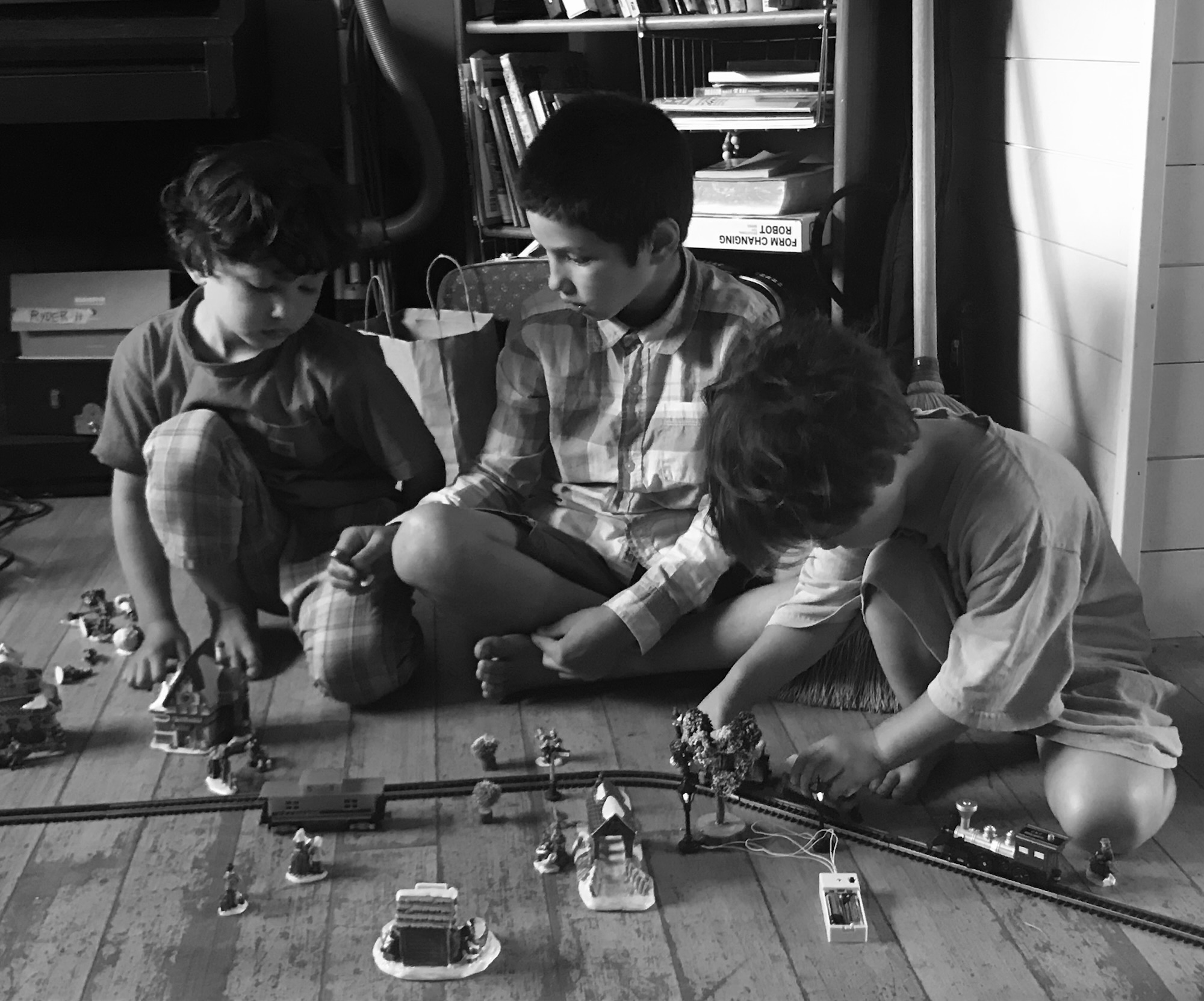
In the early years, formal curriculum really isn’t necessary. From the baby days through around age eight, play can be the primary focus, and learning should feel joyful and natural. Children are absorbing the world through movement, curiosity, and connection. This is where I highly recommend looking into Charlotte Mason’s philosophy of education. Her approach emphasizes rich, living books rather than dry textbooks, time spent outdoors, observation of nature, short lessons, good habits, and an atmosphere of peace and respect. Education, in her view, is not about cramming information but about nourishing the whole child – mind, body, and spirit.
If buying books isn’t in the budget, the library truly becomes your best friend. We relied heavily on ours. I also found many wonderful books at thrift stores over the years. Which brings me to my next point: thrift stores can be absolute gold for homeschooling families. From games and puzzles to art supplies, baskets, bookshelves, backpacks, desks, and simple organizational tools, you can often find exactly what you need for a fraction of the cost.
You don’t need a perfectly curated homeschool room like the ones you see on Instagram. You don’t need everything to be brand new. With a little time and thoughtfulness, you can gather resources that give your children a rich and beautiful education without overspending.
Another resource; though I know it’s not the most ethical place to shop, and most of us aren’t buying all handmade, ethically sourced homeschool supplies is the dollar store. Over the years, I’ve found plenty of useful materials there: basic art supplies, school supplies, coloring books, air-dry clay, pipe cleaners, marbles, and one of my favorite finds…clear dry-erase sleeves that allow you to slide a worksheet or piece of paper inside and reuse it over and over with a dry-erase marker. Simple tools like these go a long way.
Children also learn so much simply by being at home. Cooking and baking, for example, offer natural opportunities to practice math, patience, sequencing, and even a bit of science. These everyday moments count far more than we sometimes realize.
Now, I want to share what I wish I had done sooner and this has very little to do with budget. It’s the piece that makes homeschooling work no matter what materials or methods you choose: slowing down. Tending to your nervous system. Learning patience and grace. Letting go of being so hard on yourself and your children.
I’d love to talk more about this in another post, but it felt important to mention here because it’s the one thing I truly wish I had done differently. I wish I had been more peaceful and present from the beginning.
You know your children better than anyone. If you’re considering homeschooling, don’t let a tight budget stop you. A calm home, loving presence, good books, time outdoors, and space to play can carry you further than you might imagine.