
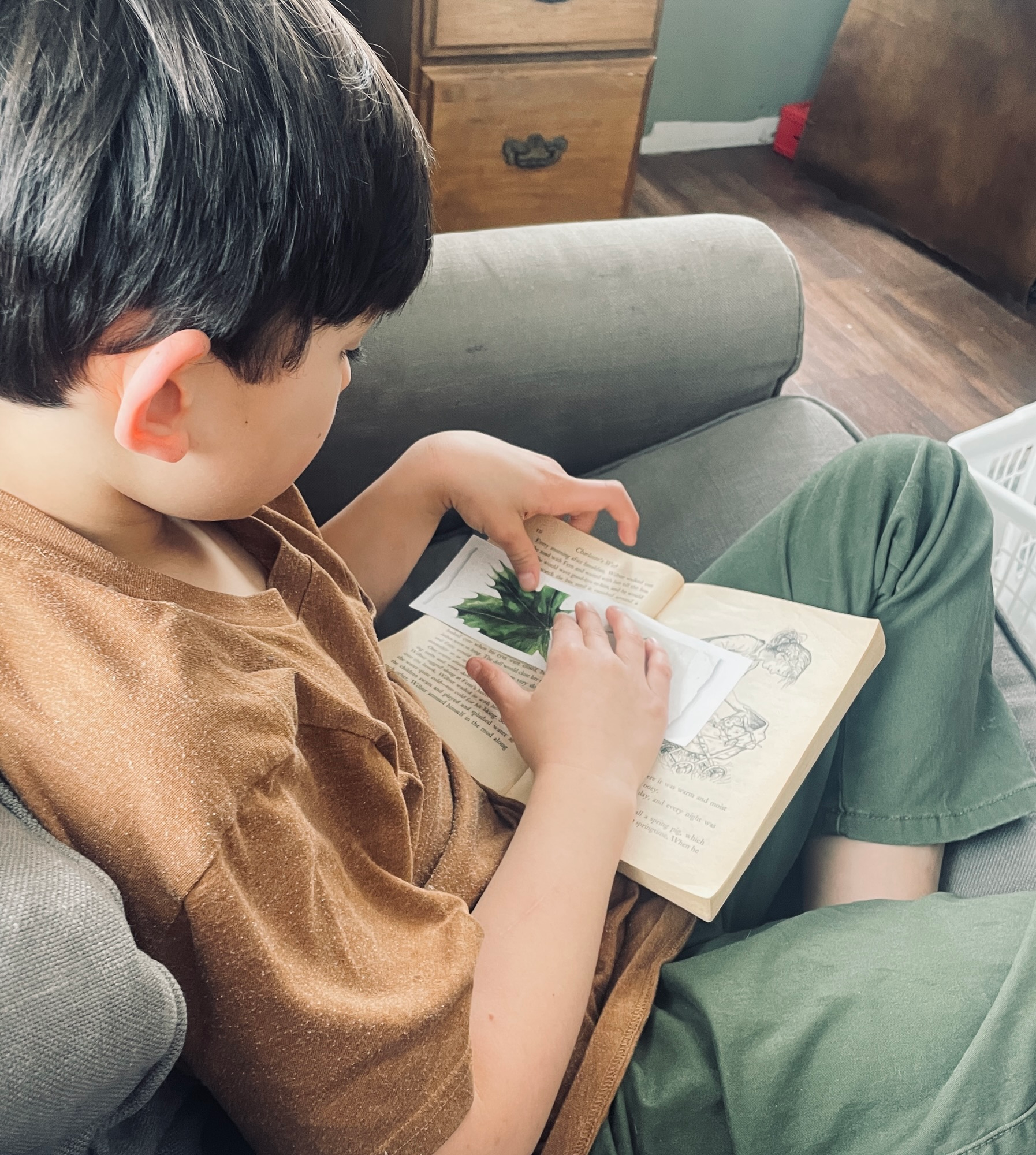

I definitely fall into the “laid-back” category when it comes to homeschooling. That doesn’t mean I don’t sometimes slip into the trap of thinking learning should look a certain way — more paperwork, a more rigid routine, more boxes checked.
When that mindset creeps in, it’s usually followed by resistance, tears, and a quiet feeling of failure.
When I come back to the heart of why I homeschool and what truly matters to me, everything softens. I homeschool so my children can learn at their own pace — so they can absorb what they’re learning instead of feeling pressured to memorize facts just to forget them once the task is finished. I want them to enjoy learning, to stay curious, and to carry that desire with them throughout their lives.
I want them to be fully immersed in the things they love, to have the time and space to focus deeply. I also want to learn alongside them, because I genuinely believe learning is fun.
Some of my favorite days have been the simplest ones — packing a lunch and heading to a park with books, drawing supplies, and notepads. We’d spend the day catching frogs and bugs, examining the natural world, asking endless questions. There was so much curiosity and so much peace. They were moving their bodies, learning naturally, and tapping into creativity all at once.
Other favorite days have been spent at the library, gathering books on whatever topics were capturing their attention. Watching a documentary about a country we were interested in, then exploring the kinds of foods people there might eat. Working on hands-on projects — fixing a bike, building something, taking apart a go-cart just to understand how it works. Playing games, which are such a fun and surprisingly effective way to learn.
My favorite days have not been the ones where everyone was forced to sit in one spot while we tried to get through as much material as possible.
That’s not to say there’s no value in learning to sit still, be quiet, and focus. In my experience, those skills come with time. As children grow, it naturally becomes easier. Often, being fully immersed in a good book is enough to help them practice stillness and focus.
My once wildest boy is now 13 — calm, thoughtful, able to sit and concentrate when he needs to, even though he’d still much rather be outside working on an engineering project or fishing.
Your children can and will learn, even if you choose a more relaxed homeschooling approach. And it’s worth saying that when you feel at peace, you become a better teacher. You’re more present. You notice what your children love and what will help them grow into who they’re meant to be.
Because I homeschool, that’s the lens through which I’m sharing my experience. But these same principles can apply no matter how your children are educated. You can still choose peace and presence. You can still give them time to move their bodies, get outside, and enjoy the things they love. That kind of space always benefits children.
Like anything meaningful, I don’t do this perfectly. I slip into old patterns and have to gently bring myself back to what I know is best for our family. Seasons of sickness, major life changes, or simple exhaustion can make it easy to forget why we chose this path in the first place.
But we’re human. We make mistakes. And then we pick ourselves back up and move in the direction we want to go.
If you haven’t already, I encourage you to come back to your why. Write down the reasons you chose this path. What matters most to you? What kind of atmosphere do you want your home and learning to have?
Keep those words somewhere you can return to when things feel hard or when you forget. Let them be an anchor — a reminder that you’re allowed to choose peace over performance, and presence over perfection.