
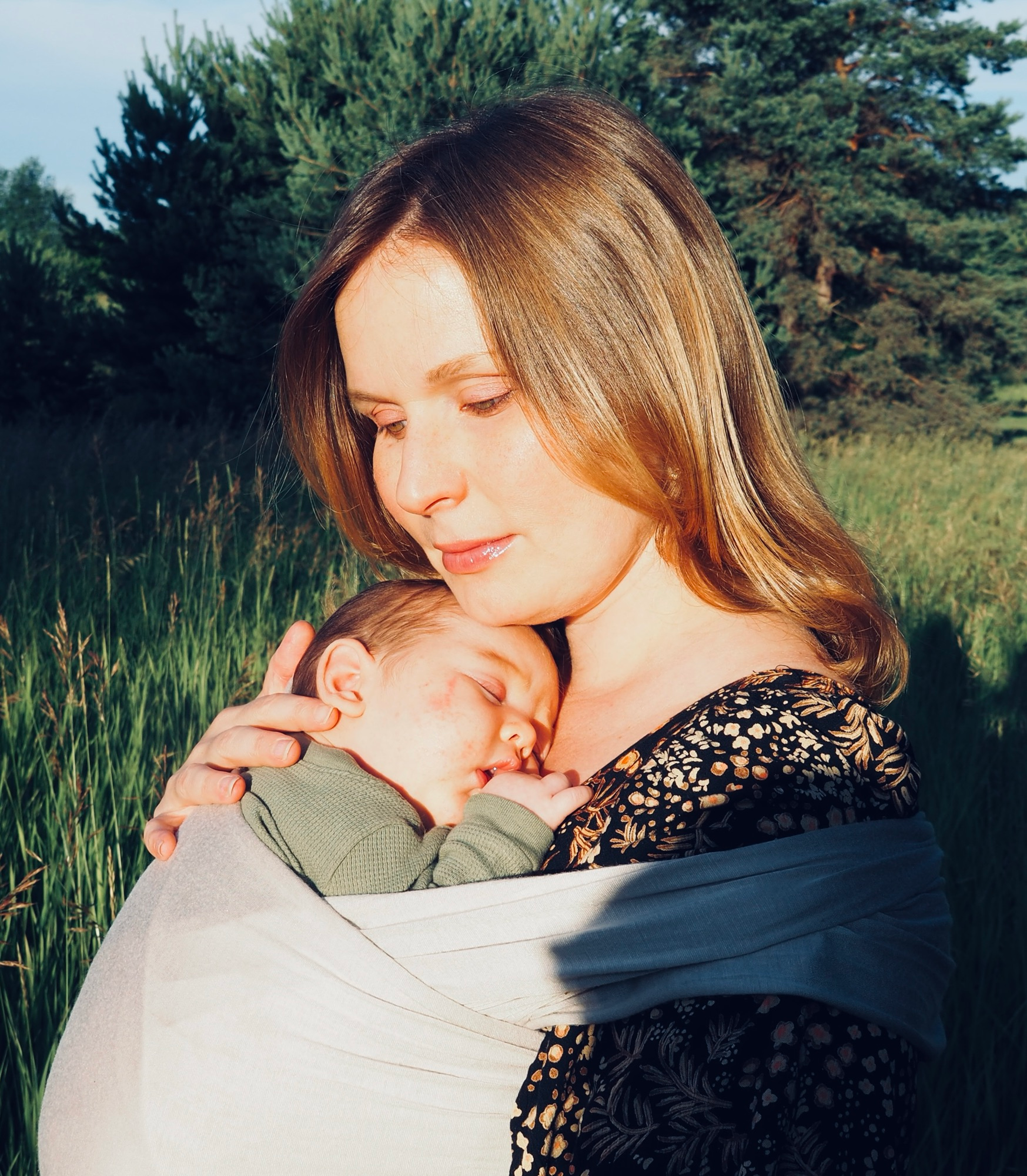
When you first became a mother, maybe you were more excited than you had ever been in your life. You couldn’t wait for the milestones, the small hands, the unfolding of it all. Or maybe you were shocked and immediately felt unprepared and underqualified. Either way, you likely faced more challenges than you expected. One of the hardest is the constant negativity society casts on motherhood. The focus is often on the burden of children, on mourning the person you were before, while offering very little real support. Mothers are expected to do everything, often while being compared to women of the past who truly had a village. Before families were scattered. Before stay at home grandmothers were rare. Before so many mothers had to work full time just to make ends meet. We are living in a very different world. Still, that does not mean joy and happiness are out of reach. There will always be ups and downs, but how we view our role often shapes our experience of it.
I like to reflect on my early years of motherhood because I know many women have been where I was, or are there now. As a little girl, I couldn’t wait to have children. I imagined dressing my baby like my dolls, being a mother like the ones in my books, caring for little people the way I naturally loved to do. But when I became a mother, I learned there was no straight path. The road was uneven, winding, and far more difficult than I had imagined. There was constant conflicting advice, harsh judgment, and the challenge of navigating my own struggles alongside my children’s needs. Nineteen years in, I do not have all the answers, but I do know what has made the greatest difference.
Slow down-
You will have very hard days. Days when you seriously question whether you are cut out for this. That is far more normal than we are led to believe. These feelings show up in anything that matters deeply and requires us to give ourselves fully. The key is learning to trust that these moments pass and that you will find your footing again. For me, this meant learning how to step away and ground myself when things felt overwhelming. This is not always possible, and I only speak from personal experience. If you’ve read other pieces I’ve written, you’ll notice a recurring theme: slow down. Especially in the hardest moments. Slow your pace. Recalibrate. When we run on frustration and anxiety, our tone sharpens, tension rises, and nothing improves. Slowing down does not eliminate breaking points, but it can reduce how often we reach them.
Regulate your nervous system-
A turning point for me was learning to regulate my nervous system. I had to teach myself that most moments are not emergencies, even when my body reacts as if they are. Our brains can sound the alarm when a child won’t tie their shoe or when chaos unfolds all at once. I began repeating a simple truth to myself: this is not an emergency. Over time, that shift changed everything. When every child seemed to be needing my attention at once and their personal “crises” seemed to be happening one after the other ( you know, baby has a poop explosion, someone drops their ice cream and another needs a nap) I could pause internally and remember that none of it required panic. Children sense our emotional state. When we are frantic, they become unsettled too. In many ways, mothers function as the emotional center of the family. This can feel heavy, but it is also a strength. Women were created to nurture life, and softness is not a weakness. When we learn to work with our nervous system, reconnect with our feminine nature, and choose patience over control, motherhood becomes steadier. Control and aggression do not serve us here. They work against who we are meant to be.
Don’t let those judging control you-
Another important shift is letting go of parenting based on fear of judgment. When we worry too much about how others perceive us, that fear often dictates how we treat our children. I struggled with this for years. But you know your child better than any outsider. Children are not meant to behave like adults. They will make mistakes, test limits, and sometimes embarrass us. When our reactions are driven by how we think others are judging us, we not only exhaust ourselves, but we also lose clarity. Our first responsibility is to love our children. Constant concern over outside opinions rarely leads to loving choices.
Let go of resentment-
Resentment can quietly poison motherhood. It hurts the one carrying it most. We hear messages that frame children as burdens and motherhood as the end of joy or identity. That your life is over, that freedom is gone, that invitations will stop coming. But resentment softens when we embrace the season we are in. There is deep joy in inviting children into your world and allowing yourself into theirs. You do not have to abandon what you love. Share it with them. Children are curious, creative, and capable of far more than we often assume. We do not need to hover or control every moment. When we allow space for independence and connection, resentment fades, often without us even noticing.
When we slow down, soften, and bring our children alongside us rather than carrying them as a weight, motherhood becomes richer. Resist the messages that reduce parenting to loss and exhaustion. There is joy here, and it is allowed.